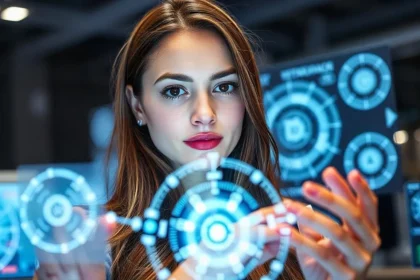

Artificial intelligence has revolutionized the way we create, experience, and interact with art in the digital era. With the rapid advancements in technology, AI has become a powerful tool for artists, designers, and creators to explore new realms of creativity and innovation.
Copyright and Intellectual Property
When it comes to AI-generated art, questions of copyright and intellectual property rights arise. Since AI creates art based on algorithms and data analysis, determining ownership and originality can be complex. In legal and ethical terms, the issue of who owns the rights to AI-generated art is still evolving.
You Might Also Like

Plagiarism and Infringement
AI has the ability to analyze vast amounts of data and generate new content, but this also raises concerns about plagiarism and infringement. Artists using AI tools must carefully consider the sources of their data to ensure that their creations are original and do not violate existing copyright laws.
Algorithmic Creativity
AI algorithms are capable of producing innovative and unique artworks that push the boundaries of traditional artistic expression. Machine learning, neural networks, and deep learning technologies enable AI to create stunning visuals, designs, and interactive experiences that were previously unimaginable.
The Future of AI in Art
In the realm of digital art, AI is powering new forms of expression through computer vision, augmented reality, and virtual reality. Design algorithms are being used to enhance visual aesthetics and create immersive and futuristic art experiences for audiences around the world.
Conclusion
Wonder AI art represents a fusion of technology and creativity that opens up endless possibilities for artistic innovation. As AI continues to evolve, so too will the ways in which we create and appreciate art in the digital age. Embracing the potential of AI in art can lead to groundbreaking advancements and transformative experiences in the world of visual arts.