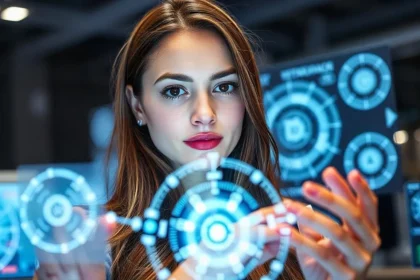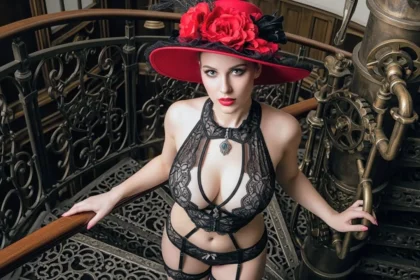

Artificial Intelligence (AI) has revolutionized many industries, including the world of art. With the advent of AI art generators like DALL-E 2, Stable Diffusion, and Midjourney, the possibilities of creating lifelike artwork with just a few keystrokes have become a reality. However, as with any emerging technology, AI art is not without its flaws and failures.
One of the most prominent issues with AI art is its portrayal of the human anatomy. Numerous examples can be found where AI-generated characters have displayed strange and unrealistic features. From figures with too many fingers to those without hands at all, these artistic failures have raised eyebrows and elicited strong reactions from both professionals and the general public.
It is disheartening to see AI art fail in its representation of the human form. One would hope that such inaccuracies would not make it to final projects, but we have seen similar blunders in traditional art, such as terrible Photoshop mistakes that have made their way onto magazine pages and posters. However, when AI fails in this realm, it raises questions about the efficacy and reliability of the technology.

Another area where AI struggles is in discerning pets and animals accurately. Users have shared amusing and sometimes bewildering results when attempting to use AI to generate images of animals or apply filters to their pets. The technology, for reasons unknown, has difficulty capturing the essence and nuances of our beloved furry friends.
While AI has made great strides in the field of art, it is still lacking in certain aspects. There are limitations to what AI can comprehend and reproduce accurately. Its failures highlight the necessity of human intervention and expertise in achieving the desired artistic outcome.
Additionally, the bias and stereotypes ingrained in the datasets used to train AI models have resulted in problematic and erroneous artworks. AI makers are cognizant of this issue and are striving to counter biases by increasing the diversity of their data. However, in their quest for balance, they may overcorrect and produce art that still fails to meet the mark.
Despite these shortcomings, it is essential to recognize the potential and excitement that AI brings to the art world. Technologies like AI art generators have democratized artistic expression, allowing anyone with an internet connection and a keyboard to create impressive and lifelike artworks; The power and potential of AI text-to-image generators are awe-inspiring and have the potential to stir the imaginations of both artists and designers.
It is important to approach AI art with a balanced perspective. While we celebrate the advancements and capabilities of AI, we must also acknowledge its limitations and the value of human creativity and intuition. Rather than replacing artists, AI should be viewed as a tool that enhances their abilities and expands the horizons of what is possible.
In the end, AI art fails serve as reminders of the complex and intricate nature of human creativity. They highlight the importance of authenticity and the irreplaceable value of the human touch in art. As technology continues to evolve, it is crucial to foster a symbiotic relationship between human creativity and AI innovation, leveraging the best of both worlds to create art that truly captivates and inspires.
See also: